

Don't Let Bugs Ruin Your Spring! The Ultimate Prevention Guide
Don't Let Pests Crash Your Spring RV Adventure: A Practical Guide
Spring is here, and the call of the open road is irresistible. But as you air out your RV and plan your first trip of the season, remember: you're not the only one waking up. Mosquitoes, flies, and other creepy crawlies are also becoming active, turning your peaceful retreat into a frustrating battle.
This guide cuts through the hassle. We'll walk you through the common springtime pests and provide a solid, multi-layered defense strategy. At the heart of this strategy is the most effective tool: proper RV insect screens.

Know Your Enemy: Common Spring RV Pests
Before we talk solutions, let's identify the problems you're likely to face:
- The Airborne Squad (Mosquitoes, Flies, Gnats): These pests buzz in through any open door or window, making evenings miserable and contaminating food.
- The Crawlers (Ants, Spiders, Cockroaches): They sneak in through tiny gaps, seeking food and shelter, potentially damaging wiring and contaminating surfaces.
- The Silent Destroyers (Moths, Rodents): These pests can cause real damage to your RV's upholstery, insulation, and electrical systems.
Your 3-Layer RV Bug Defense System
A truly effective approach involves creating multiple barriers.
Layer 1: The Golden Rule – Perfect Physical Sealing
This is your most important line of defense. It’s about proactively blocking entry points before pests even get close.
- Seal All Gaps: Use high-quality silicone sealant to check and reseal around windows, doors, slide-outs, and where utilities enter your RV. Even a tiny crack is a welcome mat for ants.
-
The Core Defense: Install High-Quality RV Insect Screens. This is your best investment for maintaining fresh air without the bugs. Look for camping insect nets designed specifically for RVs, not generic hardware store versions. They offer:
- Custom Fit: Designed to fit RV windows and doors perfectly.
- Durable Materials: Fine, durable mesh that keeps even the smallest gnats out while allowing for airflow.
- Easy Installation: Many feature magnetic frames or simple tension systems for a tool-free setup.
Layer 2: Smart Campsite & External Habits
Where you park and how you act outside your RV matters.
- Park Smartly: Avoid parking right next to stagnant water or dense brush, which are bug breeding grounds.
- Keep a Clean Perimeter: Don't leave food scraps, open garbage, or pet food outside your RV. Keep your awning and outdoor furniture clean.
- Use External Deterrents: Strategically placed outdoor mosquito repellents or citronella candles can create a protective zone around your campsite.
Layer 3: Internal Vigilance & Control
Stop pests that make it inside from settling in.
- Store Food Securely: Always keep food in airtight containers. Crumbs are a feast for ants.
- Manage Trash Immediately: Take the trash out each evening. Don't let it sit overnight.
- Use RV-Safe Internal Sprays: Consider natural, RV-friendly insect sprays for occasional use, focusing on entry points like doors.
Product Spotlight: The Unsung Hero – Your RV Vent Screens
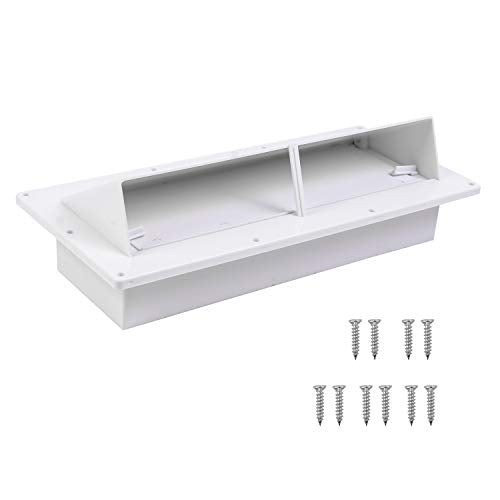
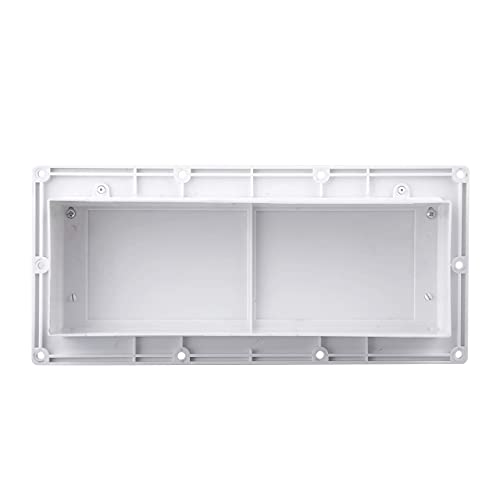
While window and door screens are obvious, one critical area is often overlooked: your roof vents and appliance vents. This is where RV vent screens become non-negotiable.
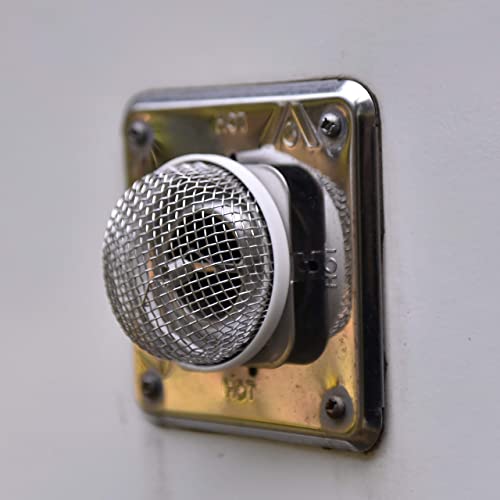
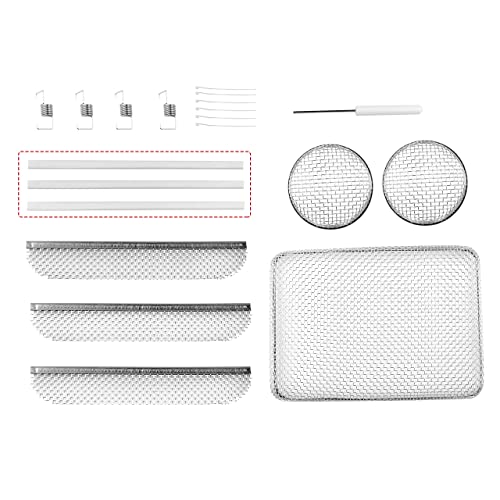
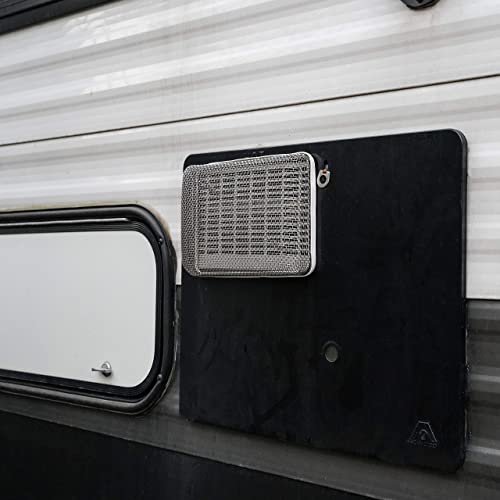
- Why They're Essential: Your refrigerator and roof vents are giant open doors for insects. Wasps love to build nests in the confined, protected space of a fridge vent, which can be a fire hazard and cause your fridge to overheat.
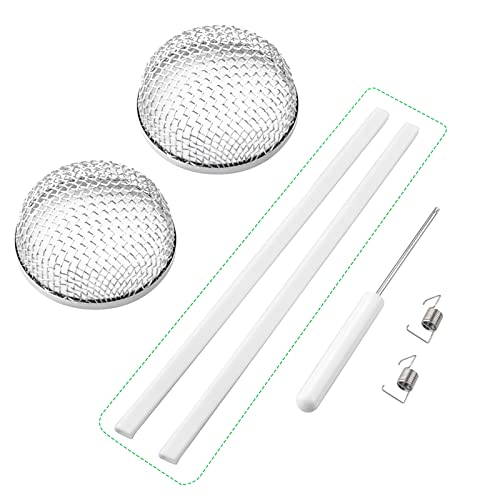
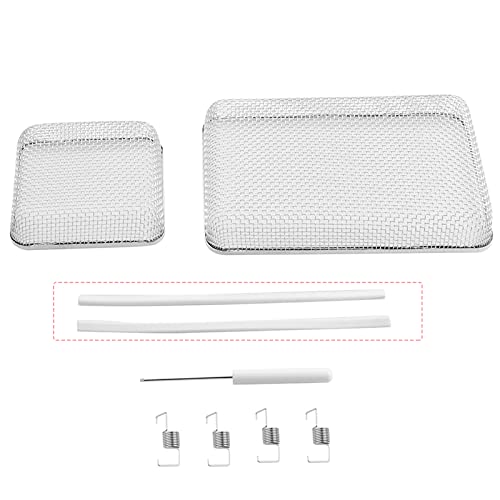
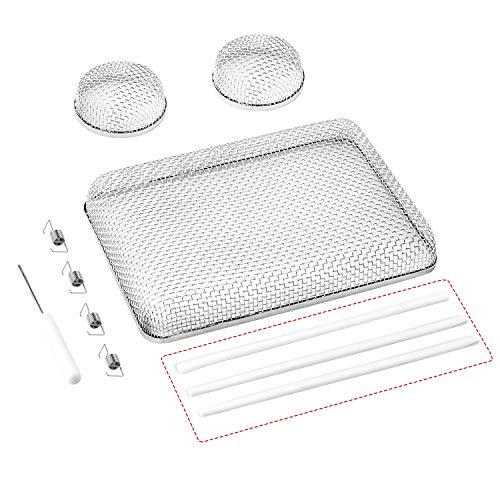
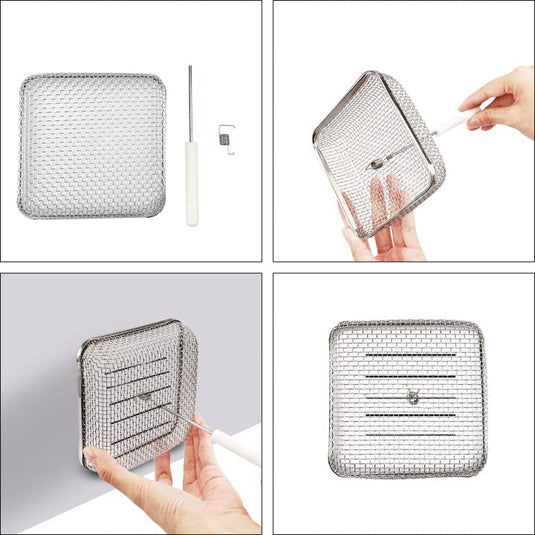
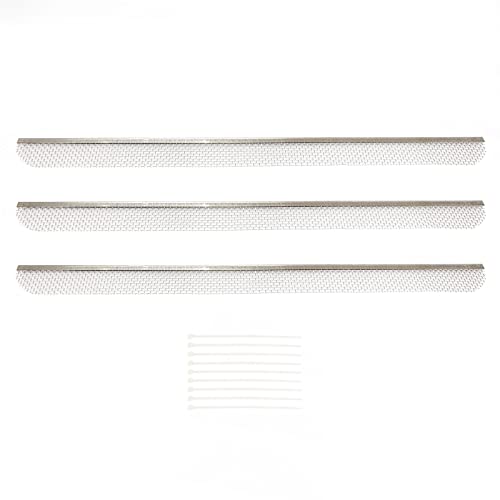
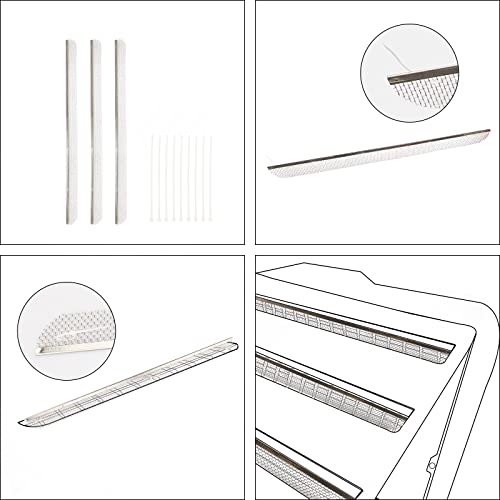
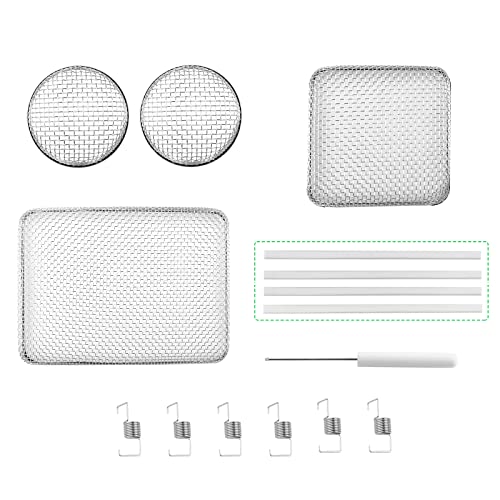
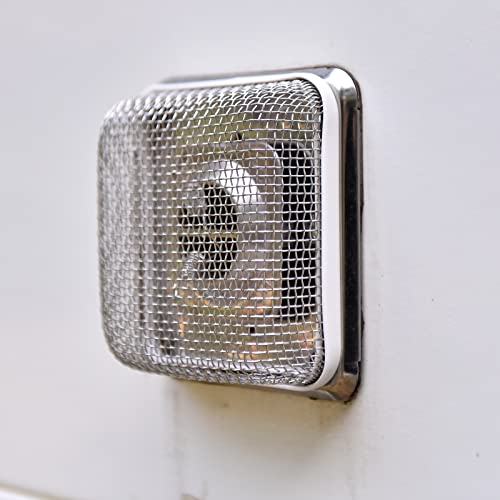
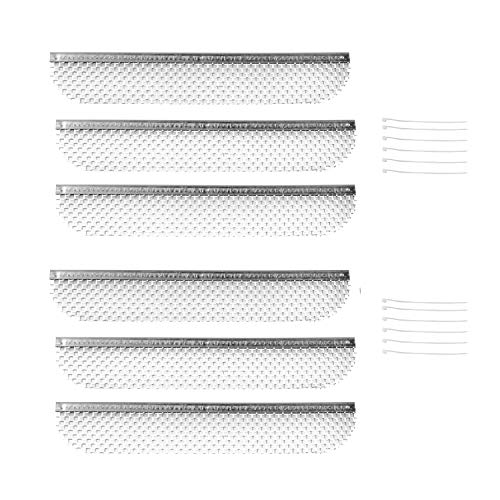
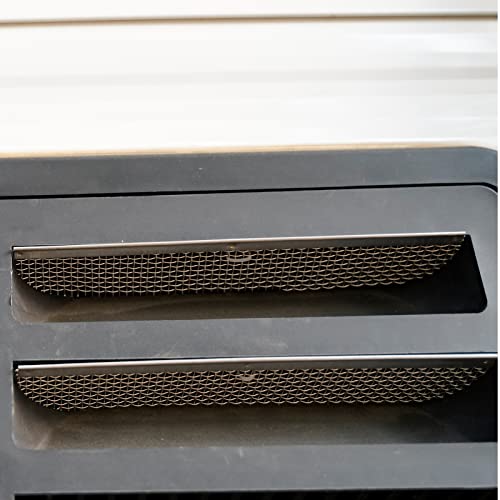
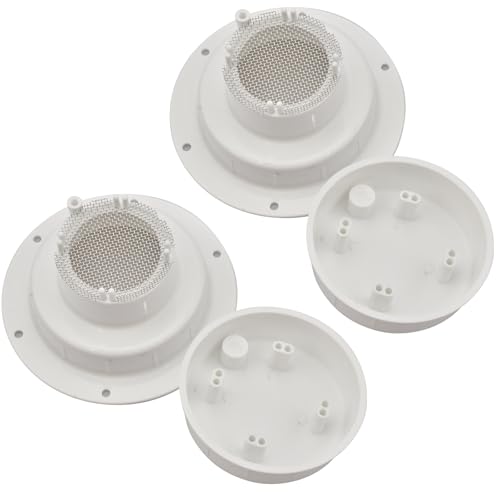
- The Solution: Installing specially designed RV fridge vent screens and roof vent covers. These are typically easy-to-install, stainless steel mesh screens that snap or screw into place over the existing vent openings. They allow for crucial airflow while forming an impenetrable barrier against pests.
- Pro Tip: This is a simple, 5-minute maintenance task that can save you from costly repairs and hazardous situations down the road.

How to Screen RV Vents: A Quick Guide
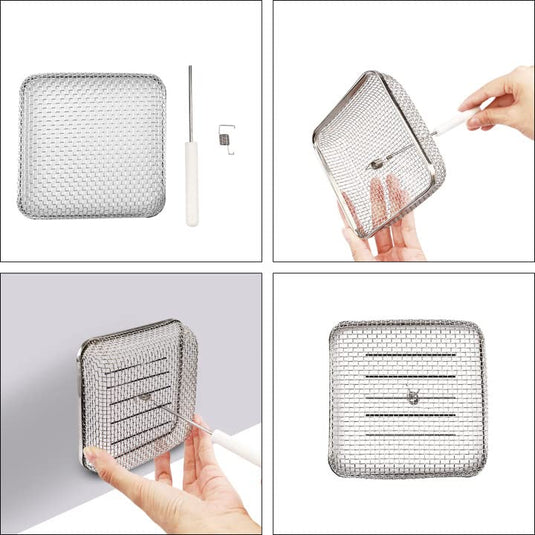
Wondering how to screen RV vents? It's surprisingly simple.
- Purchase the Right Kit: Ensure you buy a screen kit made for your specific RV vent model.
- Clean the Vent Area: Wipe away any dirt or debris around the vent opening.
- Install the Screen: Most kits require no tools—they simply snap into place over the existing vent grill. Others may need a few screws fastened.
- Check Airflow: Once installed, ensure the screen is secure and doesn’t obstruct the vent’s function.
Conclusion: Reclaim Your Peace and Quiet
Spring RVing should be about enjoying nature, not fighting it. By implementing this layered defense—with a strong emphasis on high-quality RV insect screens for windows, doors, and critically, your vents—you can leave the bugs outside where they belong.
A small investment in the right screens today means countless peaceful, bug-free nights and days in your home-on-wheels for all the seasons to come
Découvrez les produits associés












Blogs récents


