Voltage Drop & Your RV Morning Cup: Why Your Coffee Tastes Wrong
That first morning coffee in your RV should be perfect. But when it hits your tongue with unexpected sourness or bitterness, it's more than disappointing—it tells you something's wrong with your setup.
You check the beans, the grind, the water. All seem fine. Before blaming your coffee maker, consider this hidden variable: your RV's electrical system.
Welcome to where gourmet coffee meets practical electrical engineering.
The Simple Science of Coffee Extraction
Coffee brewing is extraction: hot water dissolving flavors from grounds. Temperature controls everything:
- Too cold (<195°F/90°C): Under-extraction → sour, weak coffee
- Just right (195-205°F/91-96°C): Balanced extraction → perfect coffee
- Too hot (>205°F/96°C): Over-extraction → harsh, burnt coffee
Your coffee maker's job? Consistently heat water to that perfect range. When it fails, your coffee fails.

How Electricity Powers Your Coffee
Every heating appliance needs power (watts). The formula is simple:
Power (Watts) = Voltage (Volts) × Current (Amps)
Think of it like plumbing:
- Voltage = Water pressure
- Current = Flow rate
- Power = Total water delivered
Your 1,000-watt coffee maker expects 120 volts. At that voltage, it draws about 8.3 amps to produce full heating power.
The Problem: Voltage Drop
Here's the catch: electricity loses pressure (voltage) traveling through wires. This is voltage drop.
As power travels from the campground pedestal to your coffee maker:
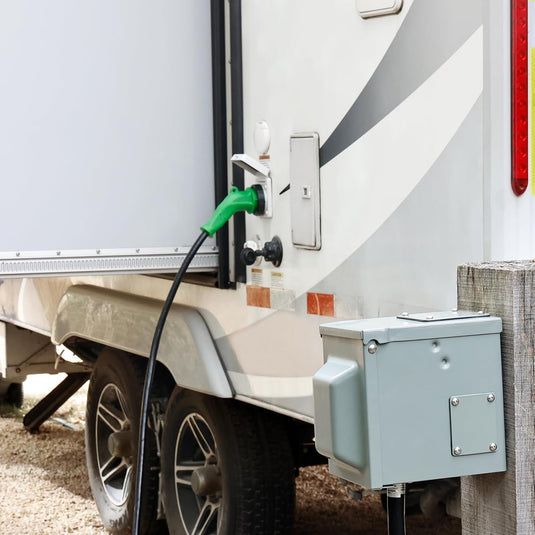
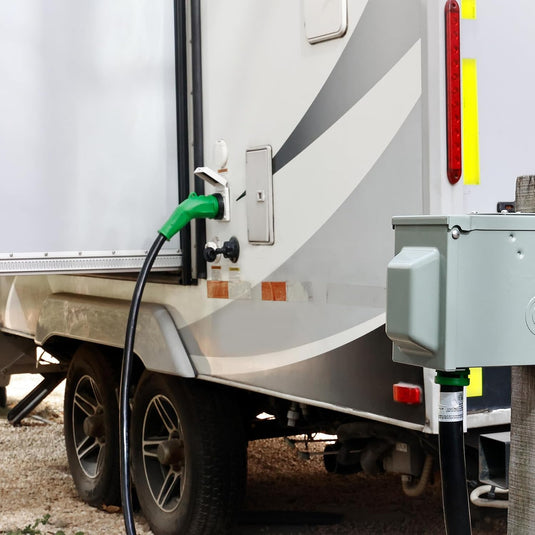
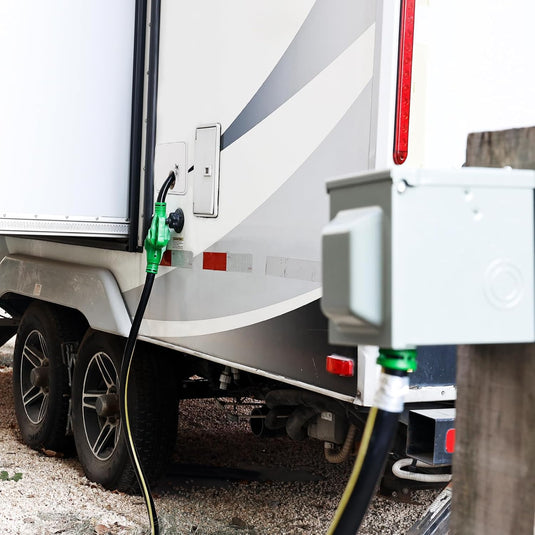
- Through your RV's main cord
- Often through an extension cord
- Into your RV's internal wiring
- Finally to the RV electrical outlet
Each foot of wire, each connection adds resistance. Longer cords and thinner wires mean more resistance, more voltage drop.
A Real Example:
Using a 100-foot household extension cord (thin 16 AWG wire):
- Resistance: ~0.4 ohms
- Current: 8.33 amps
- Voltage drop: 8.33A × 0.4Ω = 3.33 volts lost
- Voltage at coffee maker: 120V - 3.33V = 116.67V
- Actual power: 116.67V × 8.33A = 972 watts (28 watts lost)
Result? Your coffee maker can't reach proper temperature. Water heats slowly or inconsistently, leading to under-extracted, sour coffee.
The Solution: Better Power Delivery
To fix voltage drop, reduce resistance in your power path:
1. Choose the Right Extension Cord
Wire thickness matters most. Measured in AWG (American Wire Gauge), lower numbers mean thicker wire:
- Cheap household cord: 16 AWG (high resistance)
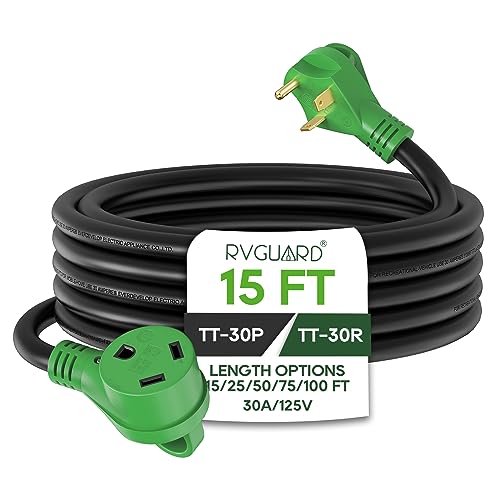
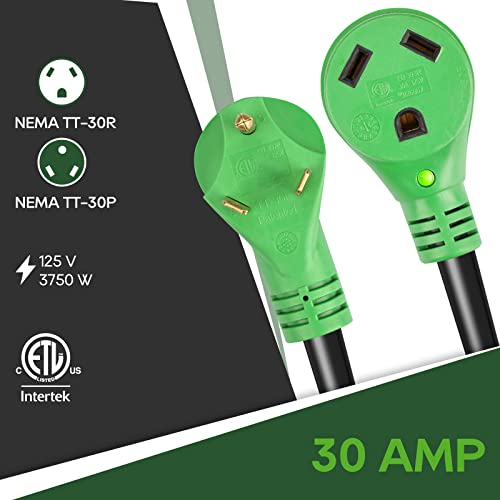
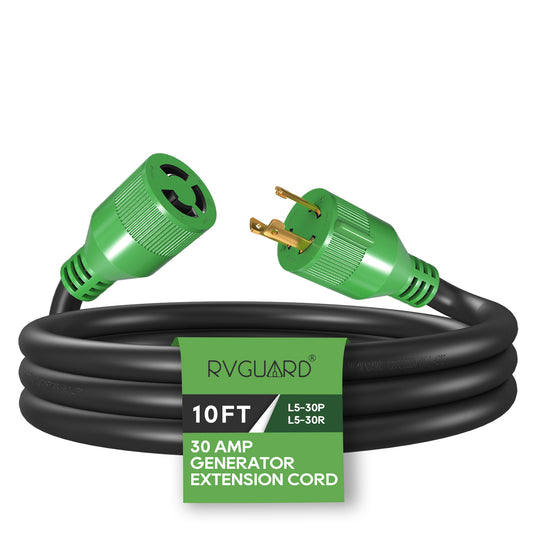
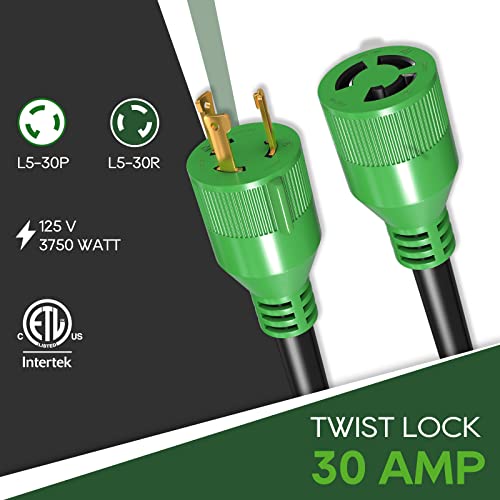
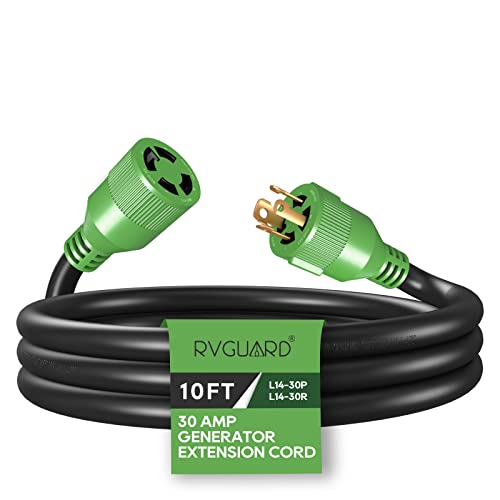
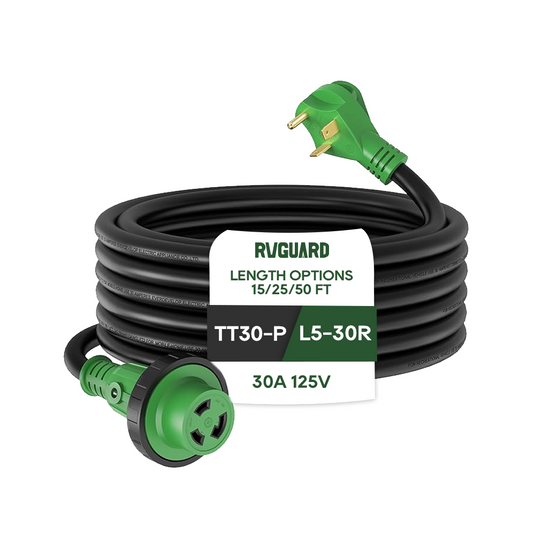
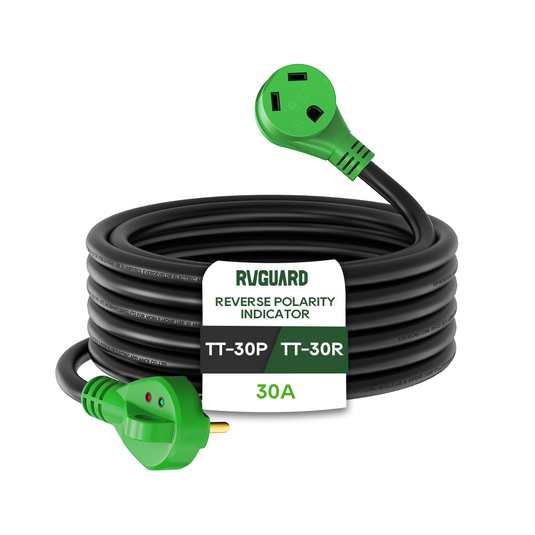
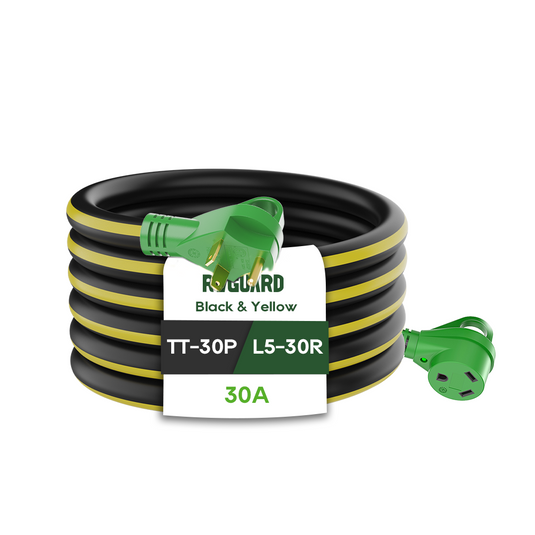
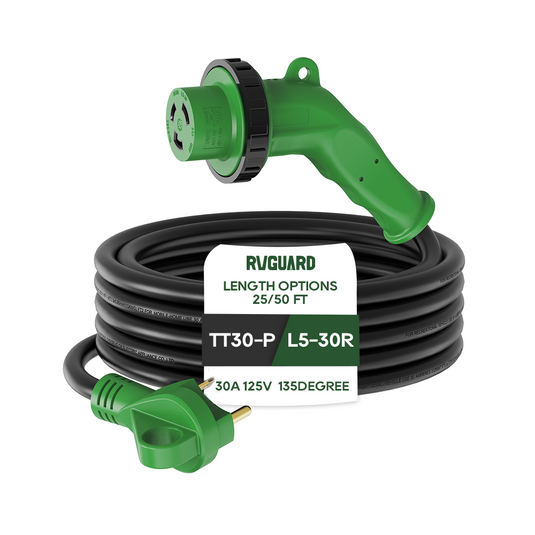
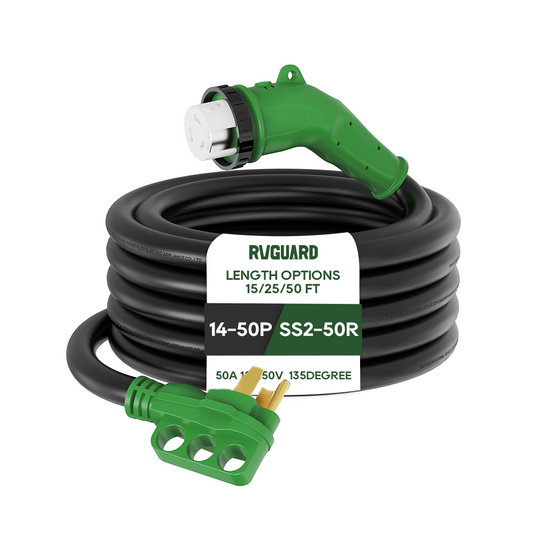
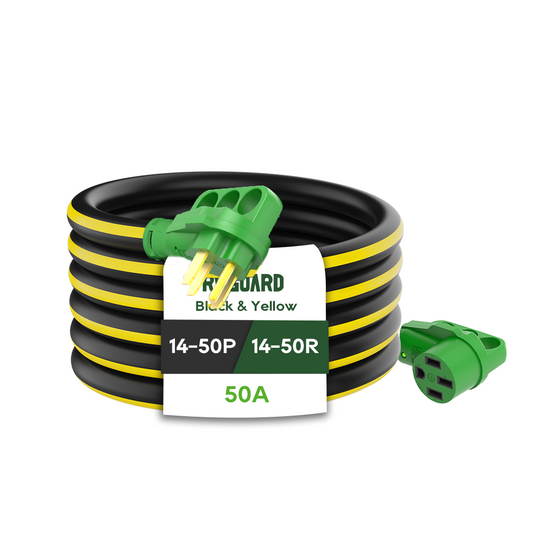
- Proper 30 amp RV extension cord: 10 AWG (low resistance)
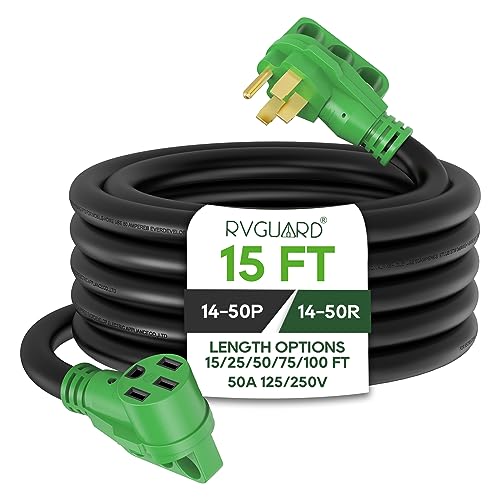
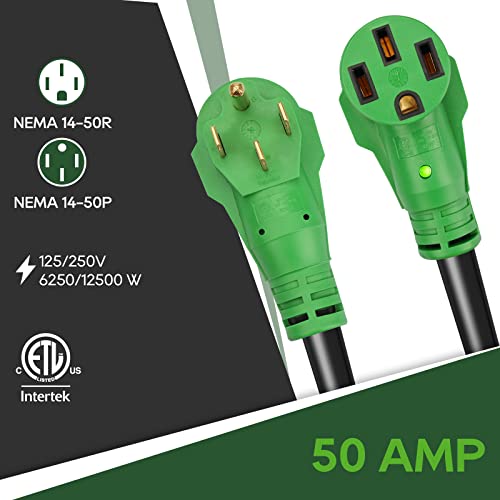
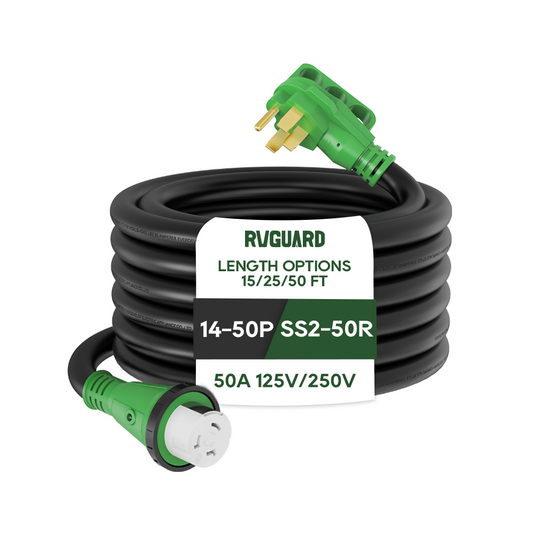
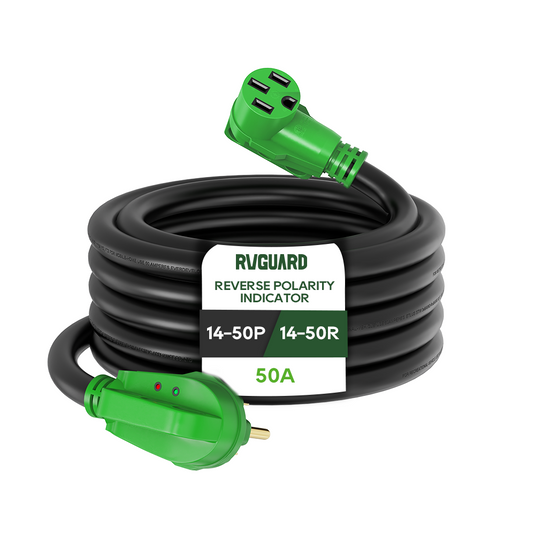
- Proper 50 amp RV extension cord: 6 AWG (very low resistance)
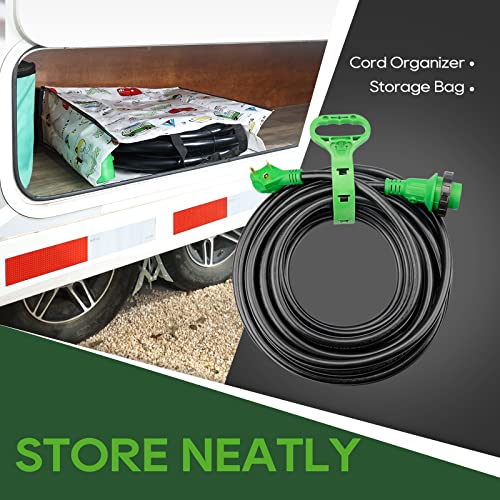
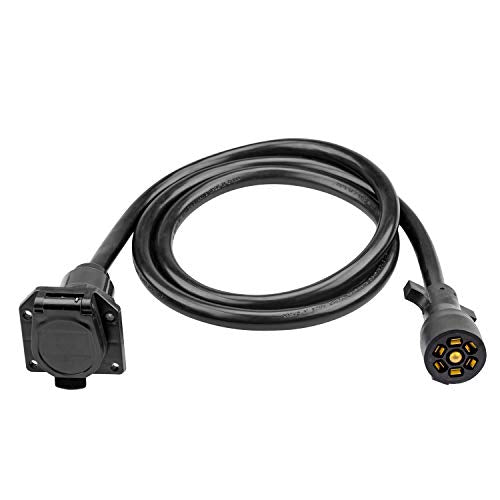
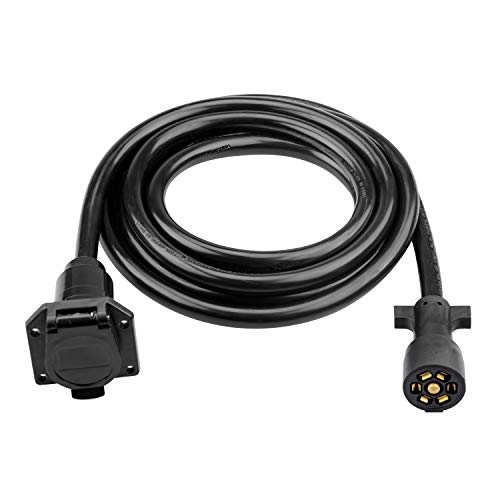
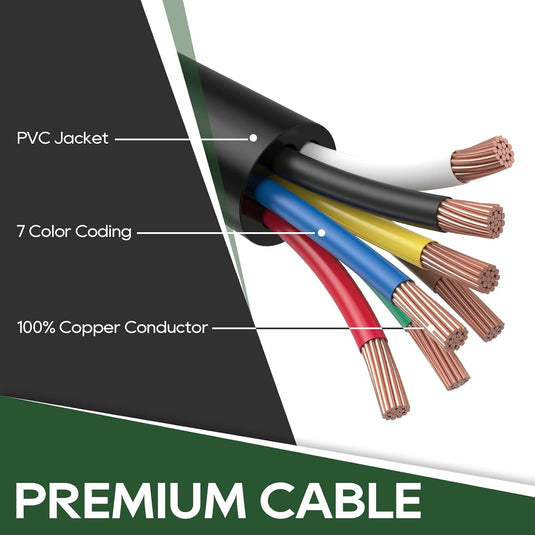
Premium RV cords use thick copper and tight connectors designed for one purpose: deliver power with minimal loss.
2. Consider Distance
Use the shortest electric cord for RV that safely reaches the pedestal. Every unnecessary foot adds resistance.
3. Secure Your Connections
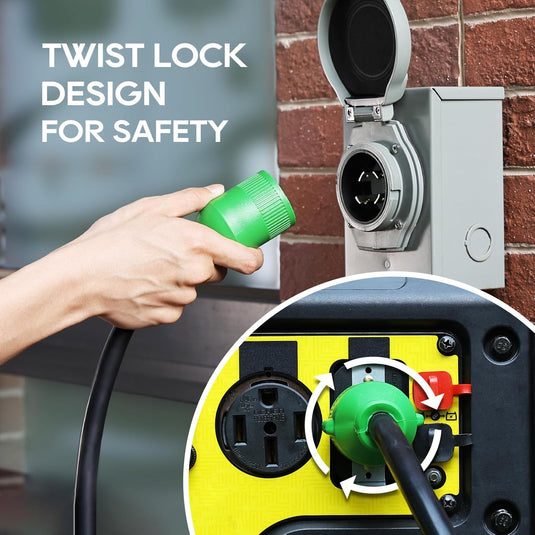
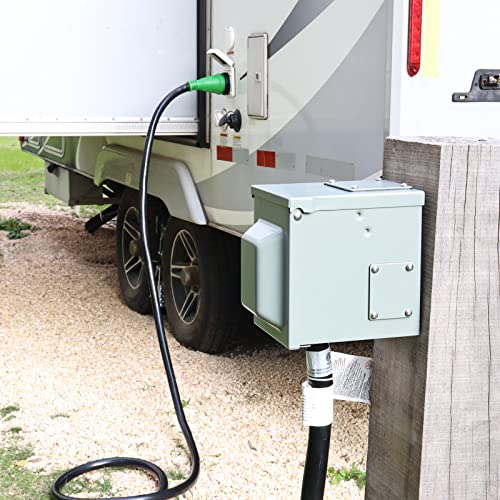
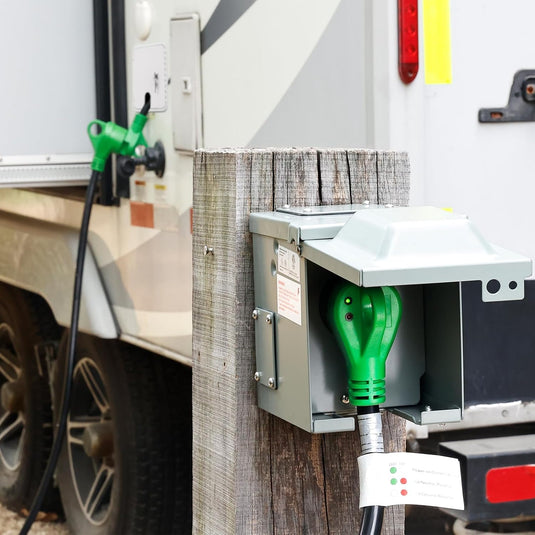
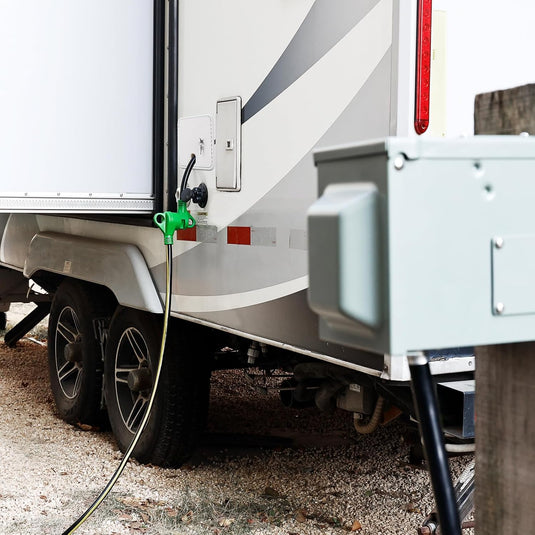
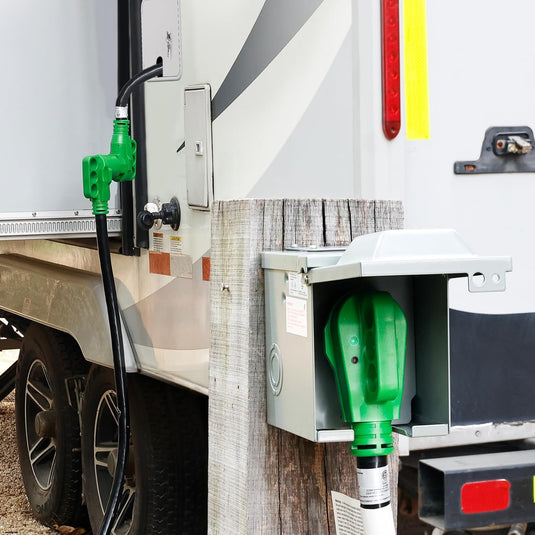
Resistance happens at connections too. Loose, corroded contacts cause voltage drop and create heat. This is where a quality RV power outlet panel or surge protector helps. It ensures weather-tight, secure connections at the pedestal—your first line of RV low voltage protection.
Beyond Coffee: The Bigger Picture
That sour coffee is actually helpful feedback. It warns you about voltage drop affecting ALL your appliances:
- Microwave heating slowly
- Electric kettle struggling to boil
- Lights appearing dim
- Refrigerator running constantly
- Electronics charging poorly
By investing in proper power equipment, you're not just fixing coffee. You're:
- Ensuring all appliances work properly
- Protecting against premature failure
- Improving energy efficiency
- Enhancing overall RV safety

Your Path to Better Coffee (and Better Power)
Start with these steps:
- Assess your current cord — Is it RV-rated with thick enough wire?
- Check connections — Are they tight, clean, and weather-protected?
- Consider a power manager — For active voltage monitoring
- Test the difference — Try brewing closer to the pedestal with minimal cord
Perfect RV coffee isn't just about beans and brew methods. It's about delivering clean, stable power to your appliances. When your coffee tastes right, your electrical system is working right.
Invest in proper power delivery. Your morning ritual—and every electrical device in your RV—will thank you.
Explore Related Products