Smarter RV Trips: How to Use AI for Route Planning & Weather Safety in 2026
Gone are the days of spreading paper maps across the kitchen table. Today, the art of RV trip planning is undergoing a revolution, powered by Artificial Intelligence (AI). But modern AI is more than just a fancy route-finder; it's becoming an indispensable partner in managing risk, especially as unpredictable weather becomes more common.
This guide will show you how to move beyond basic navigation and use AI as your co-pilot to plan safer, more enjoyable journeys, with a smart approach to handling challenges like storms.
Beyond the Map: What AI Can Really Do for RVers
AI-powered tools are shifting the focus from simply "where to go" to "how to get there safely and efficiently." Here’s what they excel at right now:
- Intelligent Route Optimization: AI algorithms automatically avoid roads with low bridges, weight restrictions, or tight turns that are unsuitable for RVs, saving you from stressful and dangerous situations.
- Campsite Matching: By learning your preferences (pet-friendly, full hookups, lakefront), AI can sift through thousands of options to find your ideal stop, often uncovering hidden gems.
- Risk Awareness: This is the game-changer. Many AI tools can analyze historical and forecasted weather data, suggesting routes that steer you clear of regions with high probabilities of heavy rain, floods, or high winds.
Your Hands-On Guide to AI Trip Planning
Ready to put AI to work? Follow these steps to get the best results.
Step 1: Define Your "Travel DNA"
Before you ask AI for help, know your parameters. Be ready to provide:
- Your RV's exact length, height, and weight.
- Your preferred daily driving distance (e.g., "no more than 200 miles or 4 hours").
- Must-have amenities (50-amp service, sewer hookup, etc.).
- Your travel style (are you a boondocker or a resort-lover?).
Step 2: Craft the Perfect Request (The Art of the Prompt)
The quality of the AI's answer depends on the quality of your question.
-
Basic Prompt:
"Plan a 10-day RV trip from Phoenix to Denver in late July. We have a 35-foot motorhome and prefer campgrounds with hiking trails nearby. Keep driving days under 5 hours."
-
Advanced, Weather-Aware Prompt:
"Plan a 10-day RV trip from Phoenix to Denver in late July, a season known for afternoon monsoons. Suggest a route that minimizes exposure to storm-prone areas in the afternoons and prioritize campgrounds with reliable power hookups. Also, outline a bad-weather contingency plan."
Step 3: Review and Refine with Human Insight
AI provides options; you provide wisdom. Always double-check the suggestions. Look at the satellite view of a recommended campground on Google Maps to check for tree cover or tight spaces. Cross-reference weather predictions with another source.
The Smart RVer's "Plan B" Mentality: Integrating AI with Real-World Prep
This is where smart planning meets smart gear. Let's say your AI planner alerts you that your planned route through the Midwest has a high chance of severe thunderstorms. This isn't a reason to cancel the trip, but a cue to activate your "Plan B" mindset.

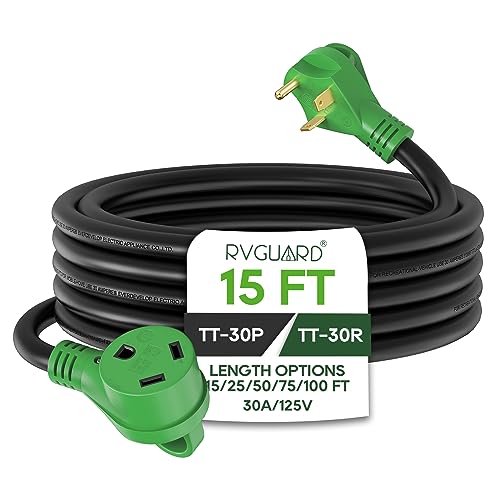
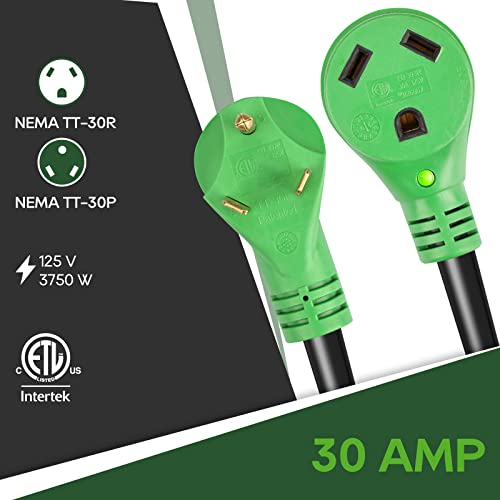
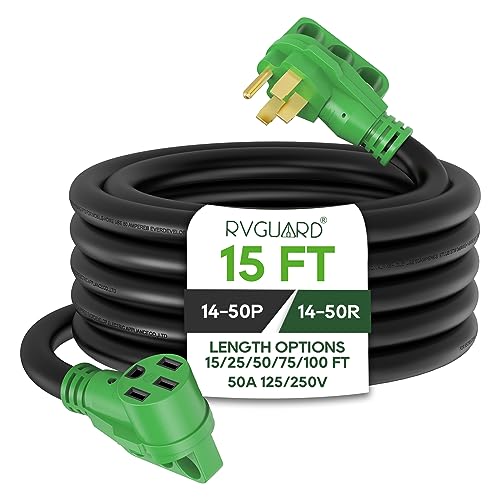
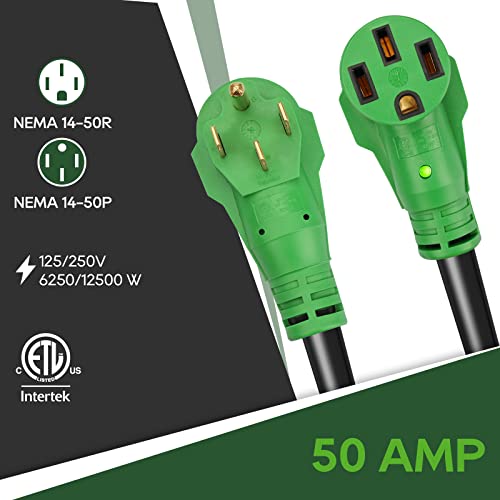
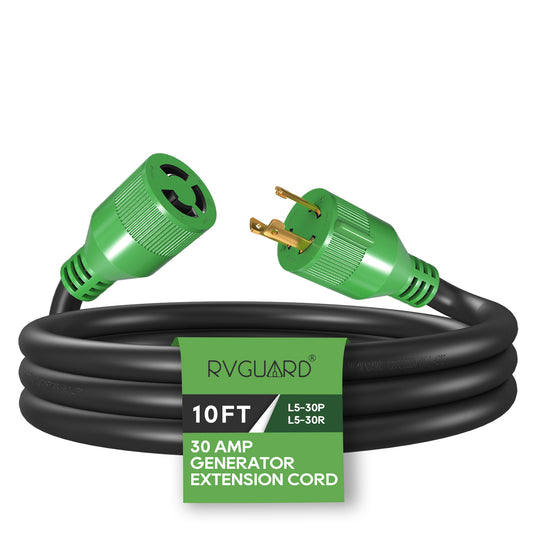
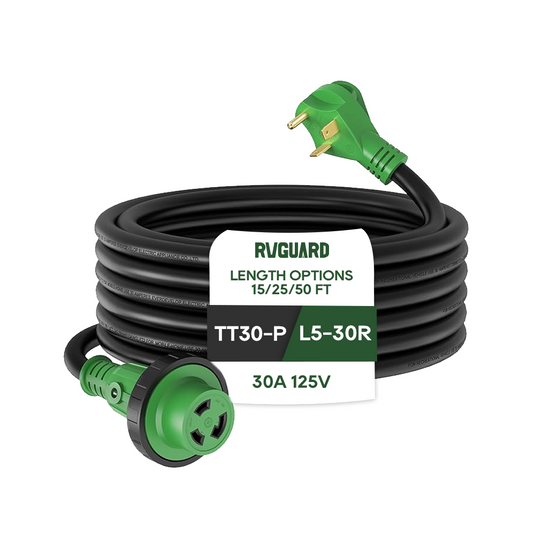
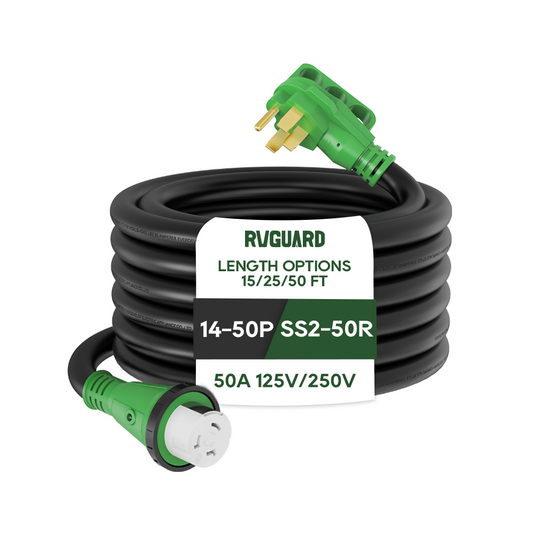
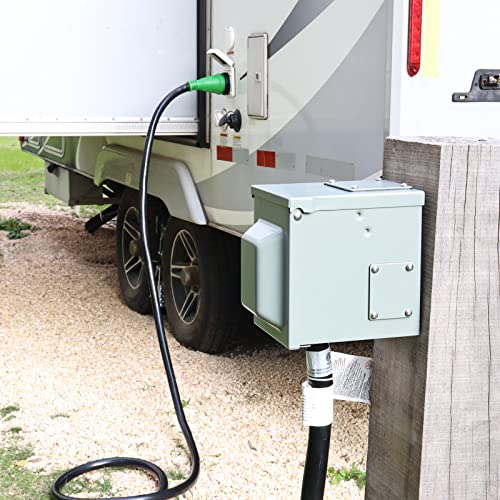
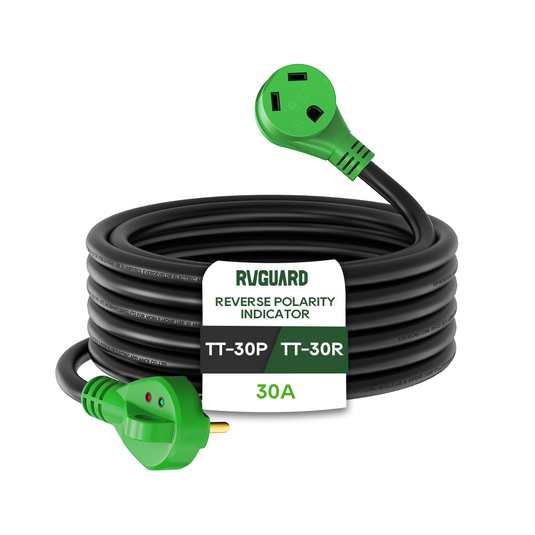
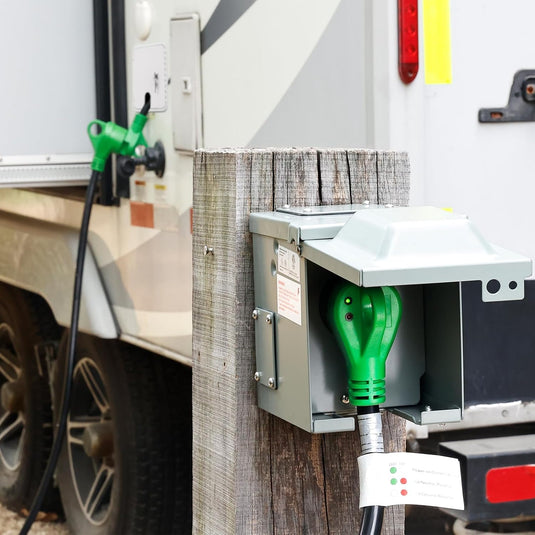
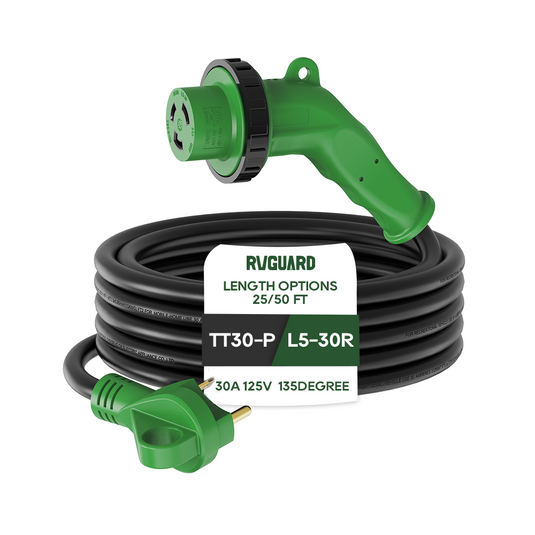
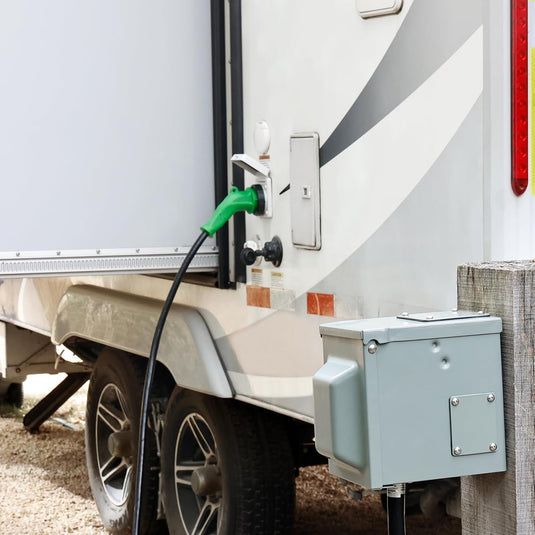
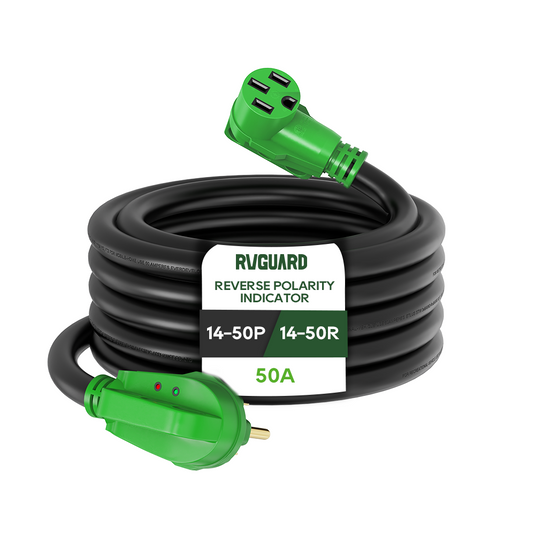
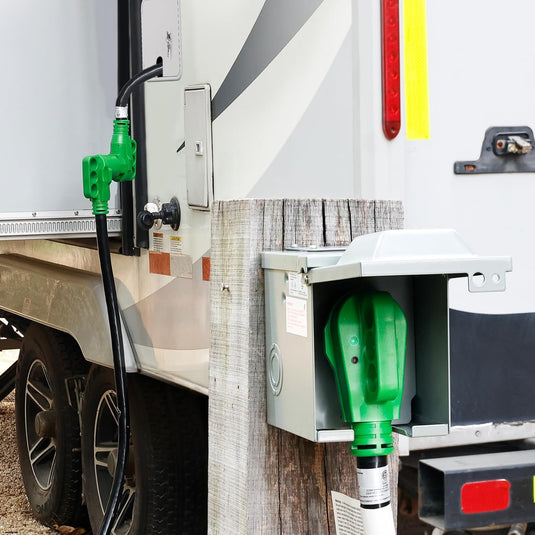
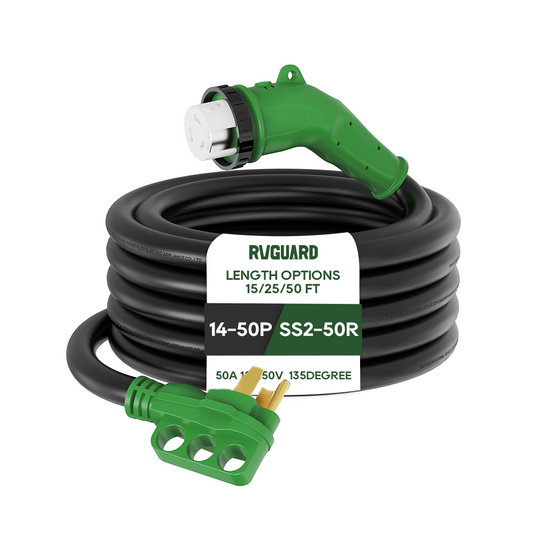
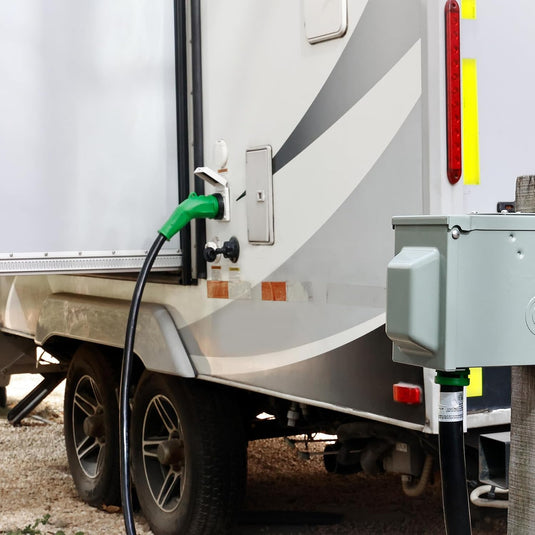
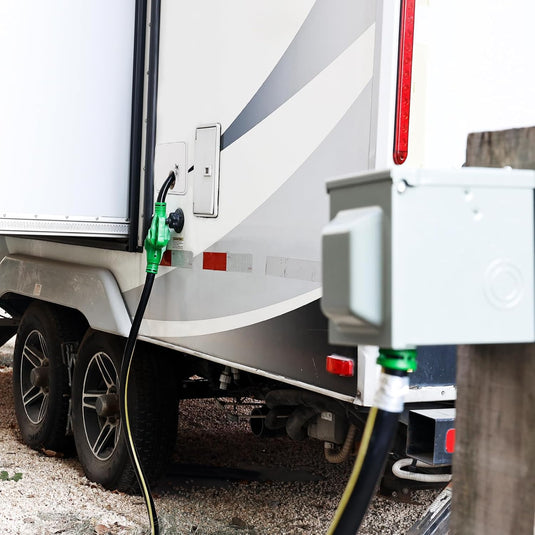
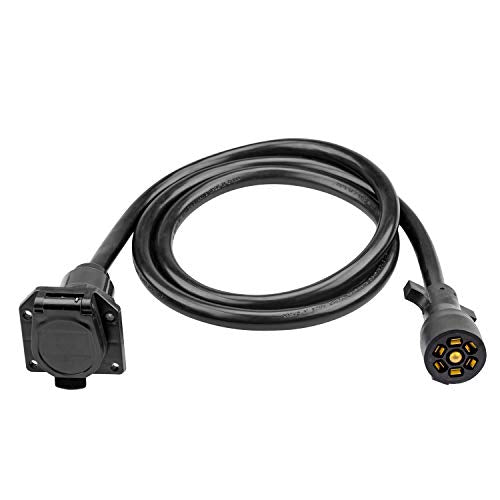
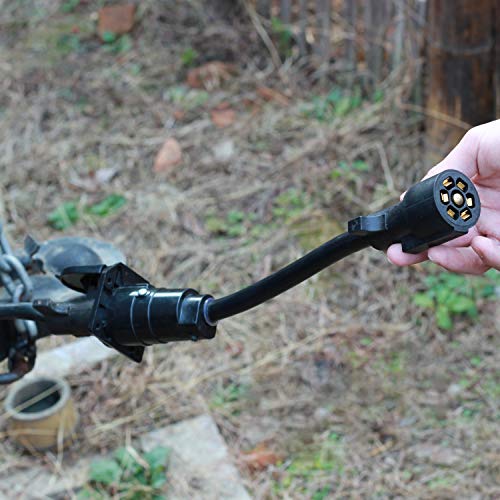
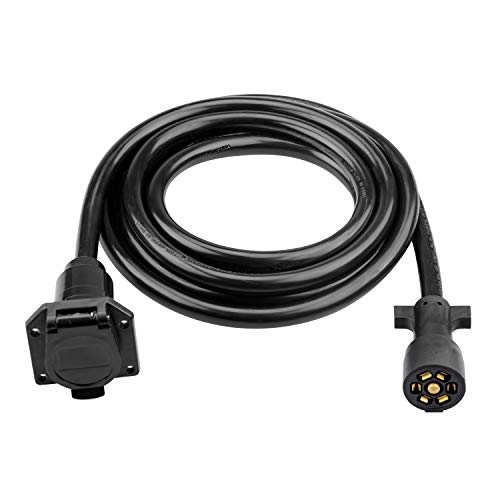
A sophisticated AI assistant might not just reroute you; it could advise: "Given the forecast, ensure your travel kit includes a backup power solution. If you're relying on a generator, a heavy-duty, outdoor-rated RV generator extension cord is essential for safe operation in case of a campground power outage. Look for features like full-weatherproof connectors and a sufficient gauge (e.g., 30A or 50A) to handle the load safely."
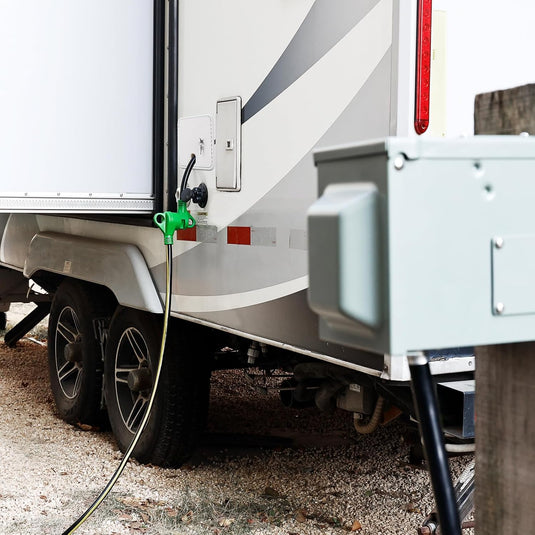
This recommendation isn't just about selling a product—it's about closing the safety loop. AI identifies the risk, and the right equipment ensures you're prepared for it. A quality cord from a trusted brand like RVGUARD ensures that your backup power source can be used safely away from your RV, even in damp conditions, preventing potential hazards.
The Limits of AI: Why You're Still the Captain
AI is a powerful tool, but it has limitations. It can't feel the crosswinds on a mountain pass or see a low-hanging branch at a campsite entrance. It may not have real-time data on every road closure.
Your role is to be the final decision-maker. Use the AI-generated plan as a fantastic first draft, then apply your own experience and situational awareness. Before you depart, physically check your equipment based on the potential risks AI has identified.
Conclusion: Your Best Trip is a Well-Prepared One
The future of RV travel is intelligent planning. By leveraging AI to anticipate challenges and optimize your route, you gain peace of mind and free up mental energy to enjoy the journey.
But the smartest travelers know that technology and preparation go hand-in-hand. A well-crafted AI itinerary, combined with reliable gear for those "just-in-case" moments—like a safe generator cord for weather emergencies—is the ultimate recipe for confident and unforgettable adventures.
Ready to plan smarter? Start by experimenting with an AI tool for your next trip. And as you build your itinerary, remember that the best plans are those that keep you safe, no matter what the road brings.
Explore Related Products